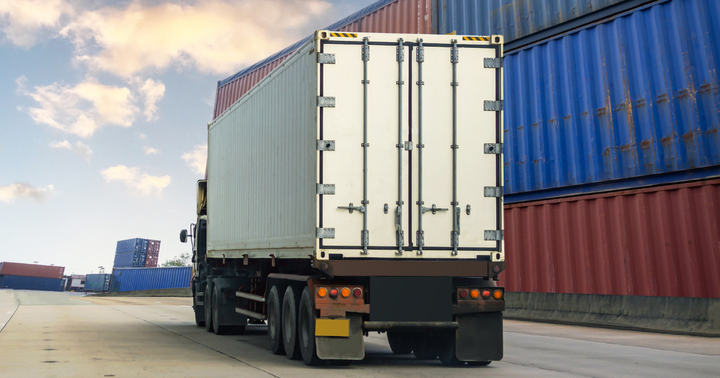
Similar trips can leave very different margins. Review fuel purchases, available consumption data, idling, and dwell time before attributing a difference to the driver.
Serving Canada, the United States, and Mexico.
Already have telematics or fleet cameras? Let’s assess how to put your existing technology to work.
Schedule a diagnostic sessionYour operation deserves
its own conversation.
Choose your activity to see what to review first. Each page has its own link to share with your team.
Protect the margin on every trip.
Explore this operation ↗Refrigerated / cold chainThe delivery matters. So do the conditions in transit.
Explore this operation ↗Hazardous materialsEvery exception needs context.
Explore this operation ↗Double trailersSee the whole combination.
Explore this operation ↗Moving servicesKeep moves on schedule and in context.
Explore this operation ↗Consolidated freightMultiple deliveries. One connected story.
Explore this operation ↗Fuel by trip
Can you explain fuel differences between comparable trips?
What we can put in context
Fuel purchases, trips, dock waits, and driving events. Refrigerated freight needs sensor assessment; hazardous cargo requires a separate review of procedures and scope.
We review your existing data sources before recommending equipment or integrations.
How to assess progress
- Fuel use by trip
- Loading and unloading dwell time
- Unresolved incidents
Proposed assessment measures—not confirmed available metrics or promised savings. Data sources, quality, and measurement methods must be validated.
Let’s talk about Freight transport.
Can you explain fuel differences between comparable trips?
Your assessment starts with your activity, existing technology, and what is worth evaluating first.
Schedule a diagnostic sessionThe diagnostic session defines equipment, data sources and scope. Not every feature applies to every vehicle.