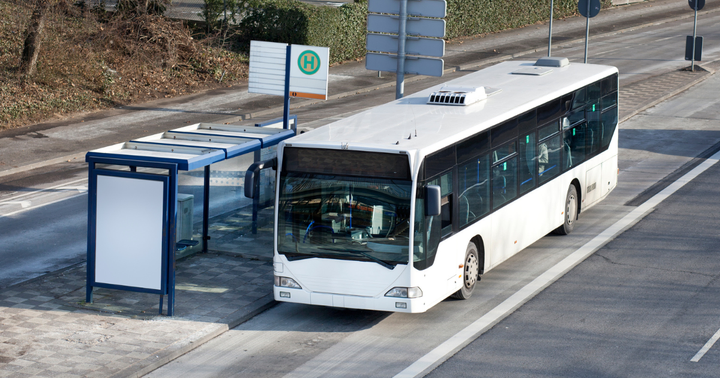
Patrol cars, ambulances, and refuse trucks need different measures. Separate availability, trips, and usage by service to review resources in context.
Serving Canada, the United States, and Mexico.
Already have telematics or fleet cameras? Let’s assess how to put your existing technology to work.
Schedule a diagnostic sessionYour operation deserves
its own conversation.
Choose your activity to see what to review first. Each page has its own link to share with your team.
A street covered is not a confirmed collection.
Explore this operation ↗Police / securityReadiness and context for each assignment.
Explore this operation ↗Municipal servicesConnect trips to completed public service.
Explore this operation ↗AmbulancesKeep operational readiness visible.
Explore this operation ↗Fire servicesVehicle readiness is part of preparedness.
Explore this operation ↗Public transportReview reliability run by run.
Explore this operation ↗Public worksSee how field resources are used.
Explore this operation ↗Vehicles ready for their mission
What must each service demonstrate, and what records support it?
What we can put in context
Assignments, trips, and service records. Emergency fleets focus on availability; refuse collection on service evidence; public works on equipment use. GPS alone does not establish service quality.
We review your existing data sources before recommending equipment or integrations.
How to assess progress
- Availability by service
- Use outside assignment
- Documented route completion
Proposed assessment measures—not confirmed available metrics or promised savings. Data sources, quality, and measurement methods must be validated.
Let’s talk about Government / Public services.
What must each service demonstrate, and what records support it?
Your assessment starts with your activity, existing technology, and what is worth evaluating first.
Schedule a diagnostic sessionThe diagnostic session defines equipment, data sources and scope. Not every feature applies to every vehicle.